Disease Information

Summary

This rare inherited disease affects many parts of your body and causes your hair to be sparse and break easily. Your hair has too little of certain sulfur-containing proteins that normally help make it strong. Symptoms can vary widely. Mild disease may affect only the hair. When viewed using a polarizing light microscope, the hair of patients with TTD typically shows a “tiger tail” banding pattern (that is, alternating light and dark bands) that doctors may consider a diagnostic feature of the disease. More severe disease can cause delayed development, intellectual disability, repeated infections, short height, slow growth, differences in the brain, and reduced myelin (the fatty material that helps nerves send signals). You may also have dry, scaly skin; changes in your nails; cloudy eye lenses that are present at birth; poor coordination; changes in the hips and other bones; abnormal red blood cells; and little or no sweating. Some people are very sensitive to ultraviolet rays from sunlight and can develop a severe sunburn within minutes.

About Trichothiodystrophy

Many rare diseases have limited information. Currently, GARD aims to provide the following information for this disease:

  • Symptoms:May start to appear as a Newborn and as an Infant.
  • Cause:This disease is caused by a change in the genetic material (DNA).
  • Organizations:Patient organizations dedicated to this rare disease are available on GARD, or you may contact a GARD Information Specialist for additional information.
  • Categories:Genetic diseases(Genetic diseases affect the DNA, or genetic instructions, which directs how tissues, organs, and body systems function.)Neurological diseases(Neurological diseases affect the brain, spinal cord, cranial nerves, autonomic nerves, or other peripheral nerves.)Skin diseases(Skin diseases, or integumentary system diseases, affect the skin, hair, nails, sweat glands, or oil glands.)Birth defects(Birth defects are structural changes present at birth that can affect almost any part of the body, including how the body looks, works, or both.)

Resource(s) for Medical Professionals and Scientists on This Disease:

Resource(s) for Medical Professionals and Scientists on This Disease:

About Trichothiodystrophy

Many rare diseases have limited information. Currently, GARD aims to provide the following information for this disease:

  • Symptoms:May start to appear as a Newborn and as an Infant.
  • Cause:This disease is caused by a change in the genetic material (DNA).
  • Organizations:Patient organizations dedicated to this rare disease are available on GARD, or you may contact a GARD Information Specialist for additional information.
  • Categories:Genetic diseases(Genetic diseases affect the DNA, or genetic instructions, which directs how tissues, organs, and body systems function.)Neurological diseases(Neurological diseases affect the brain, spinal cord, cranial nerves, autonomic nerves, or other peripheral nerves.)Skin diseases(Skin diseases, or integumentary system diseases, affect the skin, hair, nails, sweat glands, or oil glands.)Birth defects(Birth defects are structural changes present at birth that can affect almost any part of the body, including how the body looks, works, or both.)

Causes

What Causes This Disease?

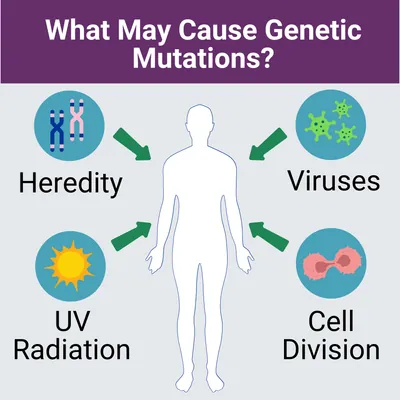
Genetic Mutations

Genetic Mutations

Known Genetic Mutations


Can diseases be passed down from parent to child?

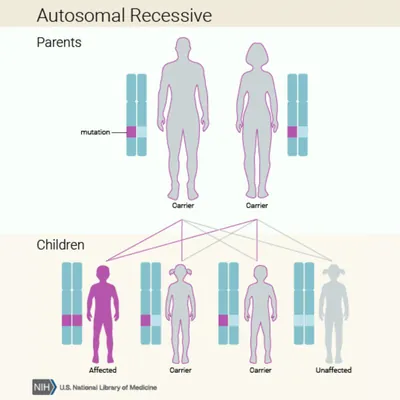
Autosomal Recessive

Autosomal Recessive

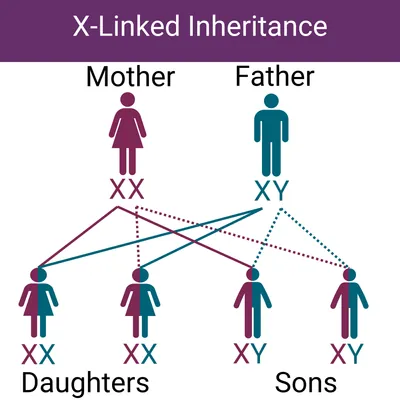
X-Linked

When Do Symptoms of Trichothiodystrophy Begin?

Symptoms of this disease may start to appear as a Newborn and as an Infant.

The age symptoms may begin to appear differs between diseases. Symptoms may begin in a single age range, or during several age ranges. The symptoms of some diseases may begin at any age. Knowing when symptoms may have appeared can help medical providers find the correct diagnosis.
  1. Prenatal
    Before Birth
  2. Newborn Selected
    Birth-4 weeks
  3. Infant Selected
    1-23 months
  4. Child
    2-11 years
  5. Adolescent
    12-18 years
  6. Adult
    19-65 years
  7. Older Adult
    65+ years
Symptoms may start to appear as a Newborn and as an Infant.

Symptoms

You may have one or more symptoms, and they may be mild or severe. Having some or all of these symptoms does not mean you have this disease. Only a health care provider can diagnose you.

Uncommon

Some people have these, but most people do not.

  • Abnormal pyramidal sign
  • Abnormality of prenatal development or birth
  • Abnormally close eyes (Hypotelorism)
  • Abnormally small eyeball on both sides (Bilateral microphthalmos)
  • Abnormally small skull (Microcephaly)
  • Absent fat below the skin (Absence of subcutaneous fat)
  • Absent/small nails (Aplasia/Hypoplasia of the nails)
  • Astigmatism
  • Bilateral sensorineural hearing impairment
  • Bird-like facial appearance (Bird-like facies)
  • Brittle hair
  • Brittle nails (Fragile nails)
  • Bronchoconstriction
  • Cerebral dysmyelination
  • Close sighted (Myopia)
  • Clouding of the lens of the eye at birth (Developmental cataract)
  • Clubbing of fingers and toes (Clubbing)
  • Coarse facial features
  • Congenital exfoliative erythroderma
  • Cornea of eye less than 10mm in diameter (Microcornea)
  • Craniosynostosis
  • Cross-eyed (Strabismus)
  • Decrease in size of the outer layer of the brain due to loss of brain cells (Cerebral cortical atrophy)
  • Decreased reflex response (Hyporeflexia)
  • Delayed bone maturation (Delayed skeletal maturation)
  • Dental cavities (Carious teeth)
  • Difficulty articulating speech (Dysarthria)
  • Diffuse cerebellar atrophy
  • Disease of the heart muscle (Cardiomyopathy)
  • Dry eyes (Keratoconjunctivitis sicca)
  • Dry skin
  • Eczema (Eczematoid dermatitis)
  • Extreme sensitivity of the eyes to light (Photophobia)
  • Eye folds (Epicanthus)
  • Eyelid turned out (Ectropion)
  • Generalized decreased muscle tone (Generalized hypotonia)
  • Generalized hyperreflexia
  • Generalized-onset seizure
  • Global developmental delay
  • Gonadal dysgenesis
  • Grooved nails (Ridged nail)
  • High, narrow palate
  • Hole in heart wall separating two lower heart chambers (Ventricular septal defect)
  • Hypertonia
  • Hypoplasia of mandible relative to maxilla
  • Ichthyosis
  • Inability to coordinate movements when walking (Gait ataxia)
  • Inability to produce voice sounds (Dysphonia)
  • Increased bone mineral density
  • Increased mean corpuscular hemoglobin concentration
  • Intention tremor
  • Involuntary muscle stiffness, contraction, or spasm (Spasticity)
  • Involuntary, rapid, rhythmic eye movements (Nystagmus)
  • Inward turning cross eyed (Esotropia)
  • Joint dislocation
  • Longitudinal splitting of nail (Split nail)
  • Low blood neutrophil count (Decreased total neutrophil count)
  • Low number of red blood cells or hemoglobin (Anemia)
  • Low-set nipples
  • Macular degeneration
  • Multiple joint contractures
  • Numerous pigmented freckles
  • Osteopenia
  • Paraplegia/paraparesis
  • Partial agenesis of the corpus callosum
  • Pathologic hair loss from scalp (Alopecia of scalp)
  • Peripheral neuropathy
  • Periventricular leukomalacia
  • Photosensitive skin (Cutaneous photosensitivity)
  • Pink eye (Conjunctivitis)
  • Poor fingernail formation (Dystrophic fingernails)
  • Poor social interactions (Reduced social responsiveness)
  • Prematurely aged appearance
  • Prenatal growth deficiency (Intrauterine growth retardation)
  • Prominent ear (Protruding ear)
  • Receding chin (Retrognathia)
  • Recurrent bronchopulmonary infections
  • Recurrent infections
  • Retina degeneration (Retinal degeneration)
  • Sparse scalp hair
  • Spoon-shaped nails (Concave nail)
  • Squamous cell carcinoma
  • Thoracic kyphosis
  • Tiger tail banding
  • Umbilical hernia
  • Underdeveloped teeth enamel (Enamel hypoplasia)
  • Undescended testes (Cryptorchidism)
  • Ventriculomegaly
  • Wide-set eyes (Hypertelorism)

Navigating Health Care Decisions

On average, it can take more than six years to receive an accurate diagnosis. Many primary care providers (PCPs) may not be familiar with rare diseases, and patients often need to visit multiple specialists or seek second opinions to get answers.

If a diagnosis remains unclear, visiting a multidisciplinary care center or university hospital may help. These centers bring together teams of specialists who can work together to evaluate symptoms and coordinate a diagnosis. This team-based approach is also helpful after a diagnosis, when managing care for rare diseases.

Because only about 5% of rare diseases have FDA-approved treatments, finding the right healthcare team to manage your symptoms and overall health is essential. People living with rare diseases often face challenges such as delayed diagnosis, limited treatment options, and difficulty accessing knowledgeable providers. Building a care team that understands your needs can make a significant difference in your quality of life.

Your Health Care Team

Why is building the right health care team important?

Building the right health care team is key to the diagnosis, treatment, and management of your long-term health journey living with a rare disease. Start by choosing a primary care provider (PCP). Your PCP will be your main point of contact and help coordinate care with other medical professionals. Your PCP may order tests or refer you to specialists. To find a PCP near you, use the Medicare provider search tool and enter your location and “Primary Care Provider.”

Seeing multiple specialists is important for people with rare diseases because these conditions often affect many parts of the body and require care from doctors with different expertise. Most primary care providers may not be familiar with rare diseases, so involving specialists can lead to a more accurate diagnosis and better care. A coordinated team approach ensures that all symptoms are addressed and that care is well-managed. It can also connect patients with the latest research or treatment options.

A PCP that specializes in the care of children is called a pediatrician. Use this tool by the American Academy of Pediatrics to find a pediatrician in your area by inputting your location.

These specialists may help in the diagnosis, management, and treatment of Trichothiodystrophy:

Multidisciplinary Care Centers

Is It Time to Get a Second Opinion or Specialized Evaluation?

If you've visited your PCP, met with specialists, and undergone the recommended tests, but are still searching for a diagnosis, it may be time to visit an academic medical center or, for pediatric patients, a children's hospital. Academic medical centers and children's hospitals, often called multidisciplinary care centers, typically bring together specialists from different fields to work together on complex cases like rare diseases.

Multidisciplinary care centers may offer more coordinated care and be involved in clinical research, which may help reduce the time to diagnosis and provide access to emerging diagnostic tools. Specialists at these centers may have a deeper understanding of rare diseases and serve as a resource when you'd like a second opinion, particularly when test results or treatment plans are not delivering expected results.

Find hospitals that may partner with medical schools and programs in your area. 

Children’s hospitals and large teaching hospitals may also offer dedicated specialists and programs for pediatric patients with undiagnosed or rare diseases. These programs bring pediatric experts together in one place and may provide more coordinated care for your child.

Search for children's or university hospitals in your area.


Rare Disease Experts

How can you find a rare disease expert?

If a diagnosis, care management, or treatment plan remains unclear despite extensive efforts by your PCP and specialists, it may be time to find a rare disease expert for your disease, if available. A rare disease expert is a medical provider that has knowledge or training on specific rare disease(s), but there may only be a few experts in your state, region, or country. Rare disease experts may work at large research or teaching hospitals, sometimes called centers of excellence. Centers of Excellence commit to sharing knowledge and best practices that can lead to improved care and treatment for individuals living with a rare disease. 

You can also contact a GARD Information Specialist for help finding experts, centers of excellence, or clinics that focus on your disease.

Find Your Community

How can patient organizations help?

Patient organizations can help patients and families connect. They build public awareness of the disease and are a driving force behind research to improve patients' lives. They may offer online and in-person resources to help people live well with their disease. Many collaborate with medical experts and researchers.

Services of patient organizations differ, but may include:

  • Ways to connect to others and share personal stories
  • Easy-to-read information
  • Up-to-date treatment and research information
  • Patient registries
  • Lists of specialists or specialty centers
  • Financial aid and travel resources


Please note: GARD provides organizations for informational purposes only and not as an endorsement of their services. Contact a GARD Information Specialist for more information on organizations that may be dedicated to this disease. Please contact an organization directly if you have questions about the information or resources it provides.


View GARD's criteria for including patient organizations, which can be found under the FAQs on our About GARD page. Request an update or to have your organization added to GARD. 

Patient Organizations

6 Organizations

People With

Trichothiodystrophy

Country

United States

People With

Trichothiodystrophy

Country

United States

People With

Ectodermal dysplasias

Helpful Links
Country

United States

People With

Ichthyosis

Country

United States

People With

Infertility

Helpful Links
Country

United States

People With

Skin diseases

Country

United States

OrganizationPeople WithHelpful LinksCountry
Cockayne Syndrome FoundationTrichothiodystrophyUnited States
Share & Care Cockayne Syndrome Network Inc.TrichothiodystrophyUnited States
National Foundation for Ectodermal DysplasiasEctodermal dysplasiasList of ExpertsUnited States
Foundation for Ichthyosis and Related Skin TypesIchthyosisList of Experts
Research Registry
United States
Resolve: The National Infertility AssociationInfertilityList of ExpertsUnited States
Children's Skin Disease FoundationSkin diseasesUnited States

Participate in Research

Clinical studies are a part of clinical research and play an important role in medical advances for rare diseases. Through clinical studies, researchers may ultimately uncover better ways to treat, prevent, diagnose, and understand human diseases.

What Are Clinical Studies?

Clinical studies are medical research involving people as participants. There are two main types of clinical studies:

  1. Clinical trials determine if a new test or treatment for a disease is effective and safe by comparing groups receiving different tests/treatments.
  2. Observational studies involve recording changes over time among a specific group of people in their natural settings.

Learn more about clinical trials from this National Institutes of Health webpage.

Why Participate in Clinical Studies?

People participate in clinical trials for many reasons. People with a disease may participate to receive the newest possible treatment and additional care from clinical study staff as well as to help others living with the same or a similar disease. Healthy volunteers may participate to help others and to contribute to moving science forward.

To find the right clinical study we recommend you consult your doctors, other trusted medical professionals, and patient organizations. Additionally, you can use ClinicalTrials.gov to search for clinical studies by disease, terms, or location.

What if There Are No Available Clinical Studies?

Why may you want to consider joining the All of Us Research Program?

ClinicalTrials.gov, an affiliate of NIH, provides current information on clinical research studies in the United States and abroad. Talk to a trusted doctor before choosing to participate in any clinical study. We recommend checking this site often and searching for studies with related terms/synonyms to improve results.
Search ClinicalTrials.gov for this disease.

GARDGenetic and Rare Diseases
Information Center
Contact a GARD Information Specialist if you need help finding more information on this rare disease or available clinical studies. Please note that GARD cannot enroll individuals in clinical studies.
Contact GARD
Please allow 2 to 10 business days for us to respond.

Sources & References

Last Updated: September 2026