Disease Information

Summary

Multiple congenital anomalies-hypotonia-seizures syndrome type 2 (MCAHS2) is a genetic neurodevelopmental disorder characterized by distinctive facial features, low muscle tone (hypotonia) at birth, myoclonic seizures (which cause jerks or twitches of the upper body, arms, or legs), and various other problems involving the central nervous system, heart, and urinary system. Specific symptoms (especially those not involving the nervous system) and severity vary from person to person, but most children develop severe developmental delay and intellectual disability. This condition is caused by genetic changes in the PIGA gene on the X chromosome and inheritance is X-linked recessive, so it typically affects boys. However, in some cases, MCAHS2 is not inherited from a parent and is the result of a new genetic change occurring for the first time in a person with MCAHS2 (a de novo genetic change).

About Multiple congenital anomalies-hypotonia-seizures syndrome 2

Many rare diseases have limited information. Currently, GARD aims to provide the following information for this disease:

  • Symptoms:May start to appear during Pregnancy, at Birth, and as an Infant.
  • Cause:This disease has more than one possible cause.
  • Organizations:Contact a GARD Information Specialist to help search for patient organizations dedicated to this rare disease.
  • Categories:Genetic diseases(Genetic diseases affect the DNA, or genetic instructions, which directs how tissues, organs, and body systems function.)Neurological diseases(Neurological diseases affect the brain, spinal cord, cranial nerves, autonomic nerves, or other peripheral nerves.)Inherited Metabolic diseases(Inherited metabolic diseases, or inborn errors of metabolism, are a group of genetic diseases that affect the ability of the body's cells to convert food into energy.)Birth defects(Birth defects are structural changes present at birth that can affect almost any part of the body, including how the body looks, works, or both.)

Resource(s) for Medical Professionals and Scientists on This Disease:

Resource(s) for Medical Professionals and Scientists on This Disease:

About Multiple congenital anomalies-hypotonia-seizures syndrome 2

Many rare diseases have limited information. Currently, GARD aims to provide the following information for this disease:

  • Symptoms:May start to appear during Pregnancy, at Birth, and as an Infant.
  • Cause:This disease has more than one possible cause.
  • Organizations:Contact a GARD Information Specialist to help search for patient organizations dedicated to this rare disease.
  • Categories:Genetic diseases(Genetic diseases affect the DNA, or genetic instructions, which directs how tissues, organs, and body systems function.)Neurological diseases(Neurological diseases affect the brain, spinal cord, cranial nerves, autonomic nerves, or other peripheral nerves.)Inherited Metabolic diseases(Inherited metabolic diseases, or inborn errors of metabolism, are a group of genetic diseases that affect the ability of the body's cells to convert food into energy.)Birth defects(Birth defects are structural changes present at birth that can affect almost any part of the body, including how the body looks, works, or both.)

Causes

What Causes This Disease?

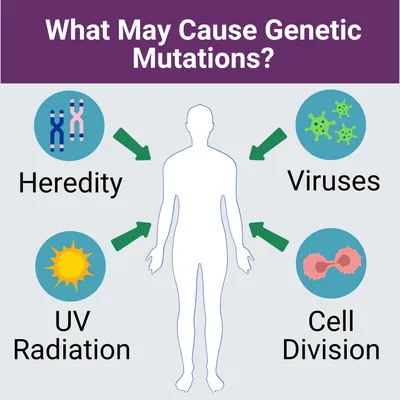
Genetic Mutations

Genetic Mutations

Known Genetic Mutations

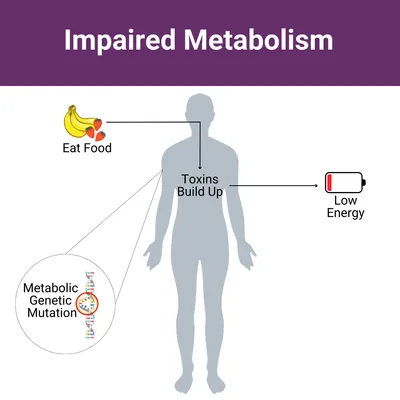
What causes disruption in metabolism?


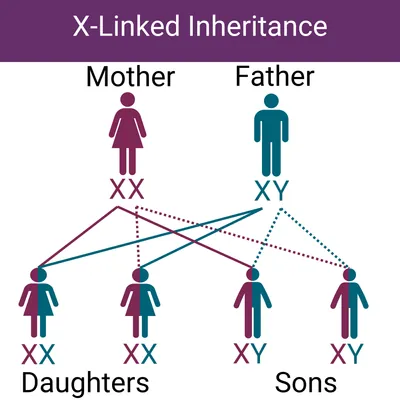
Can diseases be passed down from parent to child?

X-Linked

X-Linked

When Do Symptoms of Multiple congenital anomalies-hypotonia-seizures syndrome 2 Begin?

Symptoms of this disease may start to appear during Pregnancy, at Birth, and as an Infant.

The age symptoms may begin to appear differs between diseases. Symptoms may begin in a single age range, or during several age ranges. The symptoms of some diseases may begin at any age. Knowing when symptoms may have appeared can help medical providers find the correct diagnosis.
  1. Prenatal Selected
    Before Birth
  2. Newborn Selected
    Birth-4 weeks
  3. Infant Selected
    1-23 months
  4. Child
    2-11 years
  5. Adolescent
    12-18 years
  6. Adult
    19-65 years
  7. Older Adult
    65+ years
Symptoms may start to appear during Pregnancy, at Birth, and as an Infant.

Symptoms

You may have one or more symptoms, and they may be mild or severe. Having some or all of these symptoms does not mean you have this disease. Only a health care provider can diagnose you.

Common

Many people have these, but not everyone.

  • Abdominal bloating (Abdominal distention)
  • Abnormal cerebral white matter morphology
  • Abnormal feet structure (Abnormal foot morphology)
  • Abnormal macular morphology
  • Abnormal shape of joints (Abnormal joint morphology)
  • Abnormal visual fixation
  • Abnormality of eye movement
  • Abnormality of the area between the eyebrows (Abnormality of the glabella)
  • Abnormality of the brow of the face (Abnormality of the supraorbital ridges)
  • Abnormality of the face
  • Abnormality of the philtrum
  • Absence of adult teeth (Agenesis of permanent teeth)
  • Absent septum pellucidum
  • Absent speech development (Absent speech)
  • Absent/small cerebral white matter (Aplasia/Hypoplasia of the cerebral white matter)
  • Accumulation of fluid in the abdomen (Ascites)
  • Acute aspiration pneumonia
  • An opening in the wall separating the top two chambers of the heart (Atrial septal defect)
  • Aplasia/Hypoplasia of the corpus callosum
  • Apnea
  • Arrhinencephaly
  • Aspiration
  • Aspiration pneumonia
  • Autism
  • Babinski sign
  • Birth weight > 90th percentile (Large for gestational age)
  • Breakdown of light-sensitive cells in back of eye (Retinal dystrophy)
  • Brisk reflexes
  • Broad forehead
  • Broad opening between the eyelids (Long palpebral fissure)
  • Broad palm
  • Cerebral visual impairment
  • Cerebral white matter hypoplasia
  • Close sighted (Myopia)
  • CNS hypomyelination
  • Coarse facial features
  • Decrease in size of the outer layer of the brain due to loss of brain cells (Cerebral cortical atrophy)
  • Decreased facial expression
  • Decreased size of tooth (Microdontia)
  • Decreased volume of lip (Thin vermilion border)
  • Deep palm line (Deep palmar crease)
  • Degeneration of cerebellum (Cerebellar atrophy)
  • Degeneration of cerebrum (Cerebral atrophy)
  • Delayed eruption of teeth
  • Depressed nasal bridge
  • Diffuse leukoencephalopathy
  • Diffuse skeletal muscle wasting (Generalized amyotrophy)
  • Downturned corners of mouth
  • Drooping of both upper eyelids (Bilateral ptosis)
  • Duplicated collecting system
  • Dystonia
  • Elbow flexion contracture
  • Encephalopathy
  • Enlarged liver (Hepatomegaly)
  • Enlarged liver and spleen (Hepatosplenomegaly)
  • Epileptic encephalopathy
  • Exaggerated startle response
  • Facial asymmetry
  • Failure of development of all teeth (Anodontia)
  • Feet or buttocks of fetus positioned near opening of uterus (Breech presentation)
  • Fetal distress
  • Fever induced seizures (Febrile seizure (within the age range of 3 months to 6 years))
  • Flat head syndrome (Plagiocephaly)
  • Flat occiput
  • Flexed joint that cannot be straightened (Flexion contracture)
  • Fluid retention (Edema)
  • Focal clonic seizure
  • Focal seizure with eyelid myoclonia
  • Frontal upsweep of hair
  • Generalized myoclonic seizure
  • Generalized tonic seizure
  • Generalized-onset seizure
  • Gliosis
  • Global developmental delay
  • Grand mal seizures (Bilateral tonic-clonic seizure)
  • Grasp reflex
  • Gum enlargement (Gingival overgrowth)
  • Head titubation
  • Hearing impairment
  • Heart stops beating (Cardiac arrest)
  • High frontal hairline (High anterior hairline)
  • High levels of amniotic fluid (Polyhydramnios)
  • High palate
  • High, narrow palate
  • Hip contracture
  • Hydronephrosis
  • Inability to walk
  • Increased reflexes (Hyperreflexia)
  • Increased spleen size (Splenomegaly)
  • Infantile spasms
  • Instability or lack of coordination of central trunk muscles (Truncal ataxia)
  • Involuntary muscle stiffness, contraction, or spasm (Spasticity)
  • IQ between 34 and 49 (Moderate intellectual disability)
  • IQ less than 20 (Profound intellectual disability)
  • Knee flexion contracture
  • Lateral ventricle dilatation
  • Left ventricular hypertrophy
  • Limb contractures (Limb joint contracture)
  • Liver failure (Hepatic failure)
  • Loss of brain cells (Neuronal loss in central nervous system)
  • Loss of developmental milestones (Developmental regression)
  • Low muscle tone (Hypotonia)
  • Low muscle tone in trunk (Axial hypotonia)
  • Low platelet count (Thrombocytopenia)
  • Metopic synostosis
  • Micronodular cirrhosis
  • Moderate visual impairment (Moderately reduced visual acuity)
  • Motor delay
  • Muscle degeneration (Skeletal muscle atrophy)
  • Myoclonus
  • Narrow mouth
  • Nasal tip, upturned (Anteverted nares)
  • Neuronal loss in the cerebral cortex
  • Olfactory lobe absence (Olfactory lobe agenesis)
  • Opisthotonus
  • Optic disc pallor
  • Overfolded ears (Overfolded helix)
  • Overgrowth of gum ridge (Alveolar ridge overgrowth)
  • Pallor
  • Papule
  • Paralysis of all four limbs (Tetraplegia)
  • Patent ductus arteriosus
  • Permanent flexion of the finger or toe (Camptodactyly)
  • Pneumonia
  • Poor eye contact (Reduced eye contact)
  • Poor head control
  • Postural tremor
  • Profound global developmental delay
  • Prominent back of the skull (Prominent occiput)
  • Psoriasiform dermatitis
  • Redundant neck skin
  • Repeated seizures without recovery between them (Status epilepticus)
  • Respiratory failure
  • Respiratory tract infection
  • Right ventricular hypertrophy
  • Rigidity
  • Round face
  • Scoliosis
  • Secondary microcephaly
  • Seizure
  • Short and broad skull (Brachycephaly)
  • Short finger
  • Short neck
  • Short opening between the eyelids (Short palpebral fissure)
  • Short stature
  • Small cerebellum (Cerebellar hypoplasia)
  • Small chest (Thoracic hypoplasia)
  • Small nail
  • Spastic tetraplegia
  • Starry sky appearance on hepatic sonography
  • Stomatocytosis
  • Tapered finger
  • Testicular degeneration (Testicular atrophy)
  • Thin bony cortex
  • Underdevelopment of part of brain called corpus callosum (Hypoplasia of the corpus callosum)
  • Uplifted earlobe
  • Upward slanting of the opening between the eyelids (Upslanted palpebral fissure)
  • Ventricular arrhythmia
  • Ventriculomegaly
  • Vesicoureteral reflux
  • Wide fontanelles (Large fontanelles)
  • Wide-set eyes (Hypertelorism)
  • Widely spaced teeth
  • Widened subarachnoid space
  • Zygomatic flattening (Malar flattening)

Uncommon

Some people have these, but most people do not.

  • Abnormally small skull (Microcephaly)
  • Ichthyosis
  • Pierre-Robin sequence
  • Scar tissue replaces healthy tissue in the liver (Cirrhosis)
  • Seborrheic dermatitis

Unknown

We don't have enough information about how common these are.

  • Abnormal pons morphology
  • Abnormality of skin pigmentation
  • Birth length greater than 97th percentile
  • Delayed myelination
  • General overgrowth (Overgrowth)
  • Hydrops fetalis
  • Increased head circumference
  • Increased size of skull (Macrocephaly)
  • Little lower jaw (Micrognathia)
  • Lower limb spasticity
  • Short penis (Micropenis)
  • Triangular mouth
  • Uncontrollable movement in upper arms (Upper limb spasticity)

Navigating Health Care Decisions

On average, it can take more than six years to receive an accurate diagnosis. Many primary care providers (PCPs) may not be familiar with rare diseases, and patients often need to visit multiple specialists or seek second opinions to get answers.

If a diagnosis remains unclear, visiting a multidisciplinary care center or university hospital may help. These centers bring together teams of specialists who can work together to evaluate symptoms and coordinate a diagnosis. This team-based approach is also helpful after a diagnosis, when managing care for rare diseases.

Because only about 5% of rare diseases have FDA-approved treatments, finding the right healthcare team to manage your symptoms and overall health is essential. People living with rare diseases often face challenges such as delayed diagnosis, limited treatment options, and difficulty accessing knowledgeable providers. Building a care team that understands your needs can make a significant difference in your quality of life.

Your Health Care Team

Why is building the right health care team important?

Building the right health care team is key to the diagnosis, treatment, and management of your long-term health journey living with a rare disease. Start by choosing a primary care provider (PCP). Your PCP will be your main point of contact and help coordinate care with other medical professionals. Your PCP may order tests or refer you to specialists. To find a PCP near you, use the Medicare provider search tool and enter your location and “Primary Care Provider.”

Seeing multiple specialists is important for people with rare diseases because these conditions often affect many parts of the body and require care from doctors with different expertise. Most primary care providers may not be familiar with rare diseases, so involving specialists can lead to a more accurate diagnosis and better care. A coordinated team approach ensures that all symptoms are addressed and that care is well-managed. It can also connect patients with the latest research or treatment options.

A PCP that specializes in the care of children is called a pediatrician. Use this tool by the American Academy of Pediatrics to find a pediatrician in your area by inputting your location.

These specialists may help in the diagnosis, management, and treatment of Multiple congenital anomalies-hypotonia-seizures syndrome 2:

Multidisciplinary Care Centers

Is It Time to Get a Second Opinion or Specialized Evaluation?

If you've visited your PCP, met with specialists, and undergone the recommended tests, but are still searching for a diagnosis, it may be time to visit an academic medical center or, for pediatric patients, a children's hospital. Academic medical centers and children's hospitals, often called multidisciplinary care centers, typically bring together specialists from different fields to work together on complex cases like rare diseases.

Multidisciplinary care centers may offer more coordinated care and be involved in clinical research, which may help reduce the time to diagnosis and provide access to emerging diagnostic tools. Specialists at these centers may have a deeper understanding of rare diseases and serve as a resource when you'd like a second opinion, particularly when test results or treatment plans are not delivering expected results.

Find hospitals that may partner with medical schools and programs in your area. 

Children’s hospitals and large teaching hospitals may also offer dedicated specialists and programs for pediatric patients with undiagnosed or rare diseases. These programs bring pediatric experts together in one place and may provide more coordinated care for your child.

Search for children's or university hospitals in your area.


Rare Disease Experts

How can you find a rare disease expert?

If a diagnosis, care management, or treatment plan remains unclear despite extensive efforts by your PCP and specialists, it may be time to find a rare disease expert for your disease, if available. A rare disease expert is a medical provider that has knowledge or training on specific rare disease(s), but there may only be a few experts in your state, region, or country. Rare disease experts may work at large research or teaching hospitals, sometimes called centers of excellence. Centers of Excellence commit to sharing knowledge and best practices that can lead to improved care and treatment for individuals living with a rare disease. 

You can also contact a GARD Information Specialist for help finding experts, centers of excellence, or clinics that focus on your disease.

Find Your Community

How can patient organizations help?

Patient organizations can help patients and families connect. They build public awareness of the disease and are a driving force behind research to improve patients' lives. They may offer online and in-person resources to help people live well with their disease. Many collaborate with medical experts and researchers.

Services of patient organizations differ, but may include:

  • Ways to connect to others and share personal stories
  • Easy-to-read information
  • Up-to-date treatment and research information
  • Patient registries
  • Lists of specialists or specialty centers
  • Financial aid and travel resources


Please note: GARD provides organizations for informational purposes only and not as an endorsement of their services. Contact a GARD Information Specialist for more information on organizations that may be dedicated to this disease. Please contact an organization directly if you have questions about the information or resources it provides.


View GARD's criteria for including patient organizations, which can be found under the FAQs on our About GARD page. Request an update or to have your organization added to GARD. 

Patient Organizations

5 Organizations

People With

Epilepsy

Country

United States

People With

Rare Diseases

Helpful Links
Country

United States

People With

Rare Diseases

Helpful Links
Country

United States

People With

Rare Diseases

Country

United States

People With

Rare Diseases

Country

United States

OrganizationPeople WithHelpful LinksCountry
Epilepsy FoundationEpilepsyList of Experts
Research Registry
United States
Global GenesRare DiseasesResearch RegistryUnited States
National Organization for Rare DisordersRare DiseasesList of ExpertsUnited States
Genetic AllianceRare DiseasesUnited States
RARE FoundationRare DiseasesUnited States

Participate in Research

Clinical studies are a part of clinical research and play an important role in medical advances for rare diseases. Through clinical studies, researchers may ultimately uncover better ways to treat, prevent, diagnose, and understand human diseases.

What Are Clinical Studies?

Clinical studies are medical research involving people as participants. There are two main types of clinical studies:

  1. Clinical trials determine if a new test or treatment for a disease is effective and safe by comparing groups receiving different tests/treatments.
  2. Observational studies involve recording changes over time among a specific group of people in their natural settings.

Learn more about clinical trials from this National Institutes of Health webpage.

Why Participate in Clinical Studies?

People participate in clinical trials for many reasons. People with a disease may participate to receive the newest possible treatment and additional care from clinical study staff as well as to help others living with the same or a similar disease. Healthy volunteers may participate to help others and to contribute to moving science forward.

To find the right clinical study we recommend you consult your doctors, other trusted medical professionals, and patient organizations. Additionally, you can use ClinicalTrials.gov to search for clinical studies by disease, terms, or location.

What if There Are No Available Clinical Studies?

Why may you want to consider joining the All of Us Research Program?

ClinicalTrials.gov, an affiliate of NIH, provides current information on clinical research studies in the United States and abroad. Talk to a trusted doctor before choosing to participate in any clinical study. We recommend checking this site often and searching for studies with related terms/synonyms to improve results.
Search ClinicalTrials.gov for this disease.

GARDGenetic and Rare Diseases
Information Center
Contact a GARD Information Specialist if you need help finding more information on this rare disease or available clinical studies. Please note that GARD cannot enroll individuals in clinical studies.
Contact GARD
Please allow 2 to 10 business days for us to respond.

Sources & References

Last Updated: September 2026