Disease Information

Summary

PLCG2-associated antibody deficiency and immune dysregulation (PLAID) is an immune system disorder characterized by an allergic reaction to cold temperatures. Other immune system problems can also occur. The hallmark feature of PLAID is the development of a red, itchy rash (hives) when the skin is exposed to cool temperatures, which is known as cold urticaria. In PLAID, the hives typically develop in response to evaporative cooling, such as when a cool breeze or air conditioning blows on damp or sweaty skin. Being in a cold swimming pool can also trigger hives. In contrast, people with PLAID do not have a reaction when they touch a cold object, like an ice cube. (The ice cube test is a common test for a cold allergy; it triggers a reaction in people with other forms of cold urticaria, which usually begin later in life than PLAID.) However, some people with PLAID do experience a burning sensation in their throats when they eat cold foods, like ice cream. In PLAID, the hives go away once the skin warms up. Prolonged exposure to cold can lead to loss of consciousness or a serious allergic reaction known as anaphylaxis. Other skin problems can also occur in PLAID. A small number of affected individuals develop a blistering rash on the tip of their nose, ears, and fingers shortly after birth. The rash usually heals on its own in infancy, although in rare cases, it worsens over time. After the initial rash goes away, a different rash sometimes develops on the torso and limbs later in life. This rash, called a granuloma, can affect small patches of skin or be widespread. In people with PLAID, the granulomas do not occur in warm regions of the body, such as the armpits and other skin folds. In many people with PLAID, immune system function is reduced, leading to recurrent infections such as frequent colds, ear infections, or bouts of pneumonia. The infections are likely related to lower-than-normal levels of special proteins called antibodies or immunoglobulins, particularly immunoglobulin M (IgM) or immunoglobulin G (IgG). Antibodies attach to specific foreign particles and germs, marking them for destruction. The number of immune system cells called natural killer (NK) cells may also be reduced. Autoimmune disorders, which occur when the immune system malfunctions and attacks the bodys own tissues and organs, can also occur. Autoimmune disorders associated with PLAID include autoimmune thyroiditis and vitiligo. Autoimmune thyroiditis results from damage to the butterfly-shaped, hormone-producing gland in the lower neck (the thyroid). Vitiligo is caused by attacks on the pigment cells in the skin, resulting in a patchy loss of skin coloration. Most people with PLAID have abnormal antibodies called autoantibodies in their blood. One such antibody common in people with PLAID is known as antinuclear antibody (ANA). Autoantibodies attach to normal proteins and can trigger an immune attack against the bodys own tissues. However, not everyone with these abnormal antibodies has an autoimmune disease.

About Familial cold autoinflammatory syndrome 3

Many rare diseases have limited information. Currently, GARD aims to provide the following information for this disease:

  • Symptoms:May start to appear as a Newborn and as an Infant.
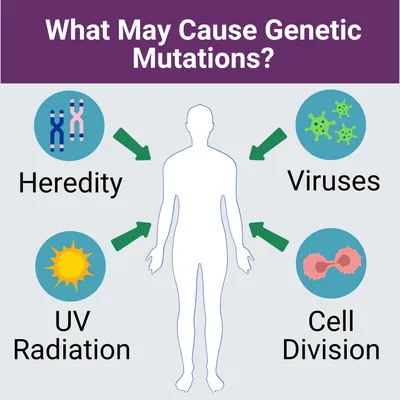
  • Cause:This disease is caused by a change in the genetic material (DNA).
  • Organizations:Patient organizations dedicated to this rare disease are available on GARD, or you may contact a GARD Information Specialist for additional information.
  • Categories:GeneticdiseasesSkindiseases

Causes

What Causes This Disease?

Genetic Mutations


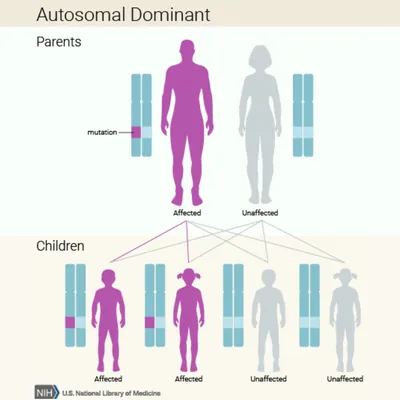
Can diseases be passed down from parent to child?

Autosomal Dominant

When Do Symptoms of Familial cold autoinflammatory syndrome 3 Begin?

Symptoms of this disease may start to appear as a Newborn and as an Infant.

The age symptoms may begin to appear differs between diseases. Symptoms may begin in a single age range, or during several age ranges. The symptoms of some diseases may begin at any age. Knowing when symptoms may have appeared can help medical providers find the correct diagnosis.
Prenatal
Before Birth
Newborn Selected
Birth-4 weeks
Infant Selected
1-23 months
Child
2-11 years
Adolescent
12-18 years
Adult
19-65 years
Older Adult
65+ years
Symptoms may start to appear as a Newborn and as an Infant.

Symptoms

The types of symptoms experienced, and their intensity, may vary among people with this disease. Your experience may be different from others. Consult your health care team for more information.

The following describes the symptom(s) associated with this disease along with the corresponding body system(s), description, synonyms, and frequency (Note: Not all possible symptoms may be listed):

14 Symptoms

14 Symptoms

14 Symptoms

Cardiovascular System

The cardiovascular system is made up of the heart and blood vessels, including the arteries, veins, and capillaries. Common symptoms of problems in the cardiovascular system include high blood pressure, heart rate or heart rhythm problems, chest pain or discomfort, pain or tingling in the hands or feet, and fatigue. Diseases of the cardiovascular system may be diagnosed and treated by a cardiologist.

Skin System

The skin or integumentary system is made up of skin, hair, nails, sweat glands, and oil glands. Common symptoms of problems in the skin system include redness, swelling, burning, itching, rashes, and hives. Skin diseases are often diagnosed and treated by dermatologists. Other specialists may also be involved including rheumatologists, allergists, and infectious disease doctors.

Navigating Health Care Decisions

On average, it can take more than six years to receive an accurate diagnosis. Many primary care providers (PCPs) may not be familiar with rare diseases, and patients often need to visit multiple specialists or seek second opinions to get answers.

If a diagnosis remains unclear, visiting a multidisciplinary care center or university hospital may help. These centers bring together teams of specialists who can work together to evaluate symptoms and coordinate a diagnosis. This team-based approach is also helpful after a diagnosis, when managing care for rare diseases.

Because only about 5% of rare diseases have FDA-approved treatments, finding the right healthcare team to manage your symptoms and overall health is essential. People living with rare diseases often face challenges such as delayed diagnosis, limited treatment options, and difficulty accessing knowledgeable providers. Building a care team that understands your needs can make a significant difference in your quality of life.

Your Health Care Team

Why is building the right health care team important?

Building the right health care team is key to the diagnosis, treatment, and management of your long-term health journey living with a rare disease. Start by choosing a primary care provider (PCP). Your PCP will be your main point of contact and help coordinate care with other medical professionals. Your PCP may order tests or refer you to specialists. To find a PCP near you, use the Medicare provider search tool and enter your location and “Primary Care Provider.”

Seeing multiple specialists is important for people with rare diseases because these conditions often affect many parts of the body and require care from doctors with different expertise. Most primary care providers may not be familiar with rare diseases, so involving specialists can lead to a more accurate diagnosis and better care. A coordinated team approach ensures that all symptoms are addressed and that care is well-managed. It can also connect patients with the latest research or treatment options.

A PCP that specializes in the care of children is called a pediatrician. Use this tool by the American Academy of Pediatrics to find a pediatrician in your area by inputting your location.
These specialists may help in the diagnosis, management, and treatment of Familial cold autoinflammatory syndrome 3:
 

Multidisciplinary Care Centers

Is It Time to Get a Second Opinion or Specialized Evaluation?

If you've visited your PCP, met with specialists, and undergone the recommended tests, but are still searching for a diagnosis, it may be time to visit an academic medical center or, for pediatric patients, a children's hospital. Academic medical centers and children's hospitals, often called multidisciplinary care centers, typically bring together specialists from different fields to work together on complex cases like rare diseases.

Multidisciplinary care centers may offer more coordinated care and be involved in clinical research, which may help reduce the time to diagnosis and provide access to emerging diagnostic tools. Specialists at these centers may have a deeper understanding of rare diseases and serve as a resource when you'd like a second opinion, particularly when test results or treatment plans are not delivering expected results.

Find hospitals that may partner with medical schools and programs in your area. 

Children’s hospitals and large teaching hospitals may also offer dedicated specialists and programs for pediatric patients with undiagnosed or rare diseases. These programs bring pediatric experts together in one place and may provide more coordinated care for your child.

Search for children's or university hospitals in your area.


Rare Disease Experts

How can you find a rare disease expert?

If a diagnosis, care management, or treatment plan remains unclear despite extensive efforts by your PCP and specialists, it may be time to find a rare disease expert for your disease, if available. A rare disease expert is a medical provider that has knowledge or training on specific rare disease(s), but there may only be a few experts in your state, region, or country. Rare disease experts may work at large research or teaching hospitals, sometimes called centers of excellence. Centers of Excellence commit to sharing knowledge and best practices that can lead to improved care and treatment for individuals living with a rare disease. 

You can also contact a GARD Information Specialist for help finding experts, centers of excellence, or clinics that focus on your disease.


Find Your Community

How can patient organizations help?

Patient organizations can help patients and families connect. They build public awareness of the disease and are a driving force behind research to improve patients' lives. They may offer online and in-person resources to help people live well with their disease. Many collaborate with medical experts and researchers.

Services of patient organizations differ, but may include:

  • Ways to connect to others and share personal stories
  • Easy-to-read information
  • Up-to-date treatment and research information
  • Patient registries
  • Lists of specialists or specialty centers
  • Financial aid and travel resources


Please note: GARD provides organizations for informational purposes only and not as an endorsement of their services. Contact a GARD Information Specialist for more information on organizations that may be dedicated to this disease. Please contact an organization directly if you have questions about the information or resources it provides.


View GARD's criteria for including patient organizations, which can be found under the FAQs on our About GARD page. Request an update or to have your organization added to GARD

Patient Organizations

6 Organizations

People With

Familial cold autoinflammatory syndrome 3

Country

United States

People With

Skin diseases

Country

United States

People With

Rare Diseases

Country

United States

People With

Rare Diseases

Country

United States

People With

Rare Diseases

Country

United States

People With

Rare Diseases

Country

United States

Participate in Research

Clinical studies are a part of clinical research and play an important role in medical advances for rare diseases. Through clinical studies, researchers may ultimately uncover better ways to treat, prevent, diagnose, and understand human diseases.

What Are Clinical Studies?

Clinical studies are medical research involving people as participants. There are two main types of clinical studies:

  1. Clinical trials determine if a new test or treatment for a disease is effective and safe by comparing groups receiving different tests/treatments.
  2. Observational studies involve recording changes over time among a specific group of people in their natural settings.

Learn more about clinical trials from this National Institutes of Health webpage.

Why Participate in Clinical Studies?

People participate in clinical trials for many reasons. People with a disease may participate to receive the newest possible treatment and additional care from clinical study staff as well as to help others living with the same or a similar disease. Healthy volunteers may participate to help others and to contribute to moving science forward.

To find the right clinical study we recommend you consult your doctors, other trusted medical professionals, and patient organizations. Additionally, you can use ClinicalTrials.gov to search for clinical studies by disease, terms, or location.

What if There Are No Available Clinical Studies?

Why may you want to consider joining the All of Us Research Program?

ClinicalTrials.gov, an affiliate of NIH, provides current information on clinical research studies in the United States and abroad. Talk to a trusted doctor before choosing to participate in any clinical study. We recommend checking this site often and searching for studies with related terms/synonyms to improve results.
Contact a GARD Information Specialist if you need help finding more information on this rare disease or available clinical studies. Please note that GARD cannot enroll individuals in clinical studies.
Leave a detailed voice message and a GARD information specialist will respond to your inquiry.
Use the contact form to send your questions to a GARD Information Specialist.

Please allow 2 to 10 business days for us to respond.
ClinicalTrials.gov, an affiliate of NIH, provides current information on clinical research studies in the United States and abroad. Talk to a trusted doctor before choosing to participate in any clinical study. We recommend checking this site often and searching for studies with related terms/synonyms to improve results.
Contact a GARD Information Specialist if you need help finding more information on this rare disease or available clinical studies. Please note that GARD cannot enroll individuals in clinical studies.
Leave a detailed voice message and a GARD information specialist will respond to your inquiry.
Use the contact form to send your questions to a GARD Information Specialist.

Please allow 2 to 10 business days for us to respond.

Last Updated: May 2026