Disease Information

Summary

Hereditary neuropathy with liability to pressure palsies is a disorder that affects peripheral nerves. These nerves connect the brain and spinal cord to muscles and sensory cells that detect touch, pain, and temperature. In people with this disorder, the peripheral nerves are unusually sensitive to pressure, such as the pressure that occurs when carrying heavy grocery bags, leaning on an elbow, or sitting without changing position, particularly with crossed legs. These activities would not normally cause sensation problems in people without the disorder. Hereditary neuropathy with liability to pressure palsies is characterized by recurrent episodes of numbness, tingling, and loss of muscle function (palsy) in the region associated with the affected nerve, usually an arm, hand, leg, or foot. An episode can last from several minutes to several months, but recovery is usually complete. Repeated incidents, however, can cause permanent muscle weakness or loss of sensation. This disorder is also associated with pain in the limbs, especially the hands. A pressure palsy episode results from pressure on a single nerve, and any peripheral nerve can be affected. Although episodes often recur, they can affect different nerves. The most common problem sites involve nerves in the wrists, elbows, and knees. The fingers, shoulders, hands, feet, and scalp can also be affected. Many people with this disorder experience carpal tunnel syndrome, which occurs when a nerve in the wrist (the median nerve) is involved. Carpal tunnel syndrome is characterized by numbness, tingling, and weakness in the hand and fingers. An episode in the hand may affect fine motor activities such as writing, opening jars, and fastening buttons. An episode of nerve compression in the knee can lead to a condition called foot drop, which makes walking, climbing stairs, or driving difficult or impossible. The symptoms of hereditary neuropathy with liability to pressure palsies usually begin during adolescence or early adulthood but may develop anytime from childhood to late adulthood. Symptoms vary in severity; many people never realize they have the disorder, while some people experience prolonged disability. Hereditary neuropathy with liability to pressure palsies does not affect life expectancy.

Resource(s) for Medical Professionals and Scientists on This Disease:

About Hereditary liability to pressure palsies

Many rare diseases have limited information. Currently, GARD aims to provide the following information for this disease:

  • Symptoms:May start to appear at a variety of ages.
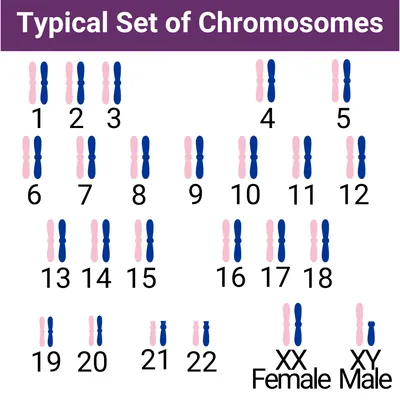
  • Cause:This disease is caused by changes to the number or structure of a person’s chromosomes.
  • Organizations:Patient organizations dedicated to this rare disease are available on GARD, or you may contact a GARD Information Specialist for additional information.
  • Categories:GeneticdiseasesNeurologicaldiseasesBirthdefects

Causes

What Causes This Disease?

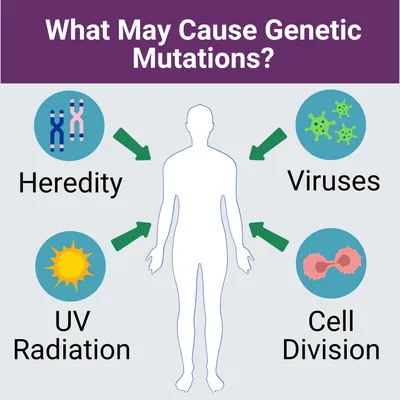
Genetic Mutations


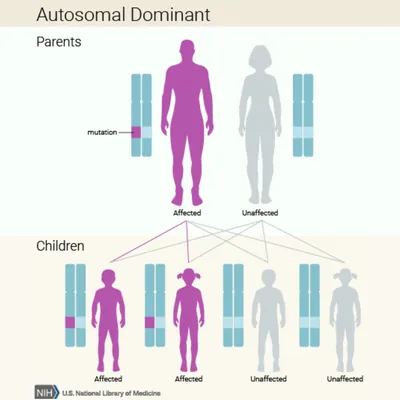
Can diseases be passed down from parent to child?

Autosomal Dominant

When Do Symptoms of Hereditary liability to pressure palsies Begin?

Symptoms of this disease may start to appear at a variety of ages.

The age symptoms may begin to appear differs between diseases. Symptoms may begin in a single age range, or during several age ranges. The symptoms of some diseases may begin at any age. Knowing when symptoms may have appeared can help medical providers find the correct diagnosis.
Prenatal
Before Birth
Newborn
Birth-4 weeks
Infant Selected
1-23 months
Child Selected
2-11 years
Adolescent Selected
12-18 years
Adult Selected
19-65 years
Older Adult Selected
65+ years
Symptoms may start to appear at a variety of ages.

Symptoms

The types of symptoms experienced, and their intensity, may vary among people with this disease. Your experience may be different from others. Consult your health care team for more information.

The following describes the symptom(s) associated with this disease along with the corresponding body system(s), description, synonyms, and frequency (Note: Not all possible symptoms may be listed):

17 Symptoms

17 Symptoms

17 Symptoms

Nervous System

The nervous system is made up of the brain, spinal cord, and nerves. Common symptoms of problems in the nervous system include trouble moving, speaking, swallowing, breathing, or learning. Problems with memory, senses, or mood may also occur. Nervous system diseases are usually diagnosed and treated by neurologists.

Navigating Health Care Decisions

On average, it can take more than six years to receive an accurate diagnosis. Many primary care providers (PCPs) may not be familiar with rare diseases, and patients often need to visit multiple specialists or seek second opinions to get answers.

If a diagnosis remains unclear, visiting a multidisciplinary care center or university hospital may help. These centers bring together teams of specialists who can work together to evaluate symptoms and coordinate a diagnosis. This team-based approach is also helpful after a diagnosis, when managing care for rare diseases.

Because only about 5% of rare diseases have FDA-approved treatments, finding the right healthcare team to manage your symptoms and overall health is essential. People living with rare diseases often face challenges such as delayed diagnosis, limited treatment options, and difficulty accessing knowledgeable providers. Building a care team that understands your needs can make a significant difference in your quality of life.

Your Health Care Team

Why is building the right health care team important?

Building the right health care team is key to the diagnosis, treatment, and management of your long-term health journey living with a rare disease. Start by choosing a primary care provider (PCP). Your PCP will be your main point of contact and help coordinate care with other medical professionals. Your PCP may order tests or refer you to specialists. To find a PCP near you, use the Medicare provider search tool and enter your location and “Primary Care Provider.”

Seeing multiple specialists is important for people with rare diseases because these conditions often affect many parts of the body and require care from doctors with different expertise. Most primary care providers may not be familiar with rare diseases, so involving specialists can lead to a more accurate diagnosis and better care. A coordinated team approach ensures that all symptoms are addressed and that care is well-managed. It can also connect patients with the latest research or treatment options.

A PCP that specializes in the care of children is called a pediatrician. Use this tool by the American Academy of Pediatrics to find a pediatrician in your area by inputting your location.
These specialists may help in the diagnosis, management, and treatment of Hereditary liability to pressure palsies:
 

Multidisciplinary Care Centers

Is It Time to Get a Second Opinion or Specialized Evaluation?

If you've visited your PCP, met with specialists, and undergone the recommended tests, but are still searching for a diagnosis, it may be time to visit an academic medical center or, for pediatric patients, a children's hospital. Academic medical centers and children's hospitals, often called multidisciplinary care centers, typically bring together specialists from different fields to work together on complex cases like rare diseases.

Multidisciplinary care centers may offer more coordinated care and be involved in clinical research, which may help reduce the time to diagnosis and provide access to emerging diagnostic tools. Specialists at these centers may have a deeper understanding of rare diseases and serve as a resource when you'd like a second opinion, particularly when test results or treatment plans are not delivering expected results.

Find hospitals that may partner with medical schools and programs in your area. 

Children’s hospitals and large teaching hospitals may also offer dedicated specialists and programs for pediatric patients with undiagnosed or rare diseases. These programs bring pediatric experts together in one place and may provide more coordinated care for your child.

Search for children's or university hospitals in your area.


Rare Disease Experts

How can you find a rare disease expert?

If a diagnosis, care management, or treatment plan remains unclear despite extensive efforts by your PCP and specialists, it may be time to find a rare disease expert for your disease, if available. A rare disease expert is a medical provider that has knowledge or training on specific rare disease(s), but there may only be a few experts in your state, region, or country. Rare disease experts may work at large research or teaching hospitals, sometimes called centers of excellence. Centers of Excellence commit to sharing knowledge and best practices that can lead to improved care and treatment for individuals living with a rare disease. 

You can also contact a GARD Information Specialist for help finding experts, centers of excellence, or clinics that focus on your disease.


Find Your Community

How can patient organizations help?

Patient organizations can help patients and families connect. They build public awareness of the disease and are a driving force behind research to improve patients' lives. They may offer online and in-person resources to help people live well with their disease. Many collaborate with medical experts and researchers.

Services of patient organizations differ, but may include:

  • Ways to connect to others and share personal stories
  • Easy-to-read information
  • Up-to-date treatment and research information
  • Patient registries
  • Lists of specialists or specialty centers
  • Financial aid and travel resources


Please note: GARD provides organizations for informational purposes only and not as an endorsement of their services. Contact a GARD Information Specialist for more information on organizations that may be dedicated to this disease. Please contact an organization directly if you have questions about the information or resources it provides.


View GARD's criteria for including patient organizations, which can be found under the FAQs on our About GARD page. Request an update or to have your organization added to GARD

Patient Organizations

7 Organizations

People With

Hereditary liability to pressure palsies

Country

United States

People With

Hereditary liability to pressure palsies

Country

United States

People With

Hereditary liability to pressure palsies

Country

United States

People With

Rare Diseases

Country

United States

People With

Rare Diseases

Country

United States

People With

Rare Diseases

Country

United States

People With

Rare Diseases

Country

United States

Participate in Research

Clinical studies are a part of clinical research and play an important role in medical advances for rare diseases. Through clinical studies, researchers may ultimately uncover better ways to treat, prevent, diagnose, and understand human diseases.

What Are Clinical Studies?

Clinical studies are medical research involving people as participants. There are two main types of clinical studies:

  1. Clinical trials determine if a new test or treatment for a disease is effective and safe by comparing groups receiving different tests/treatments.
  2. Observational studies involve recording changes over time among a specific group of people in their natural settings.

Learn more about clinical trials from this National Institutes of Health webpage.

Why Participate in Clinical Studies?

People participate in clinical trials for many reasons. People with a disease may participate to receive the newest possible treatment and additional care from clinical study staff as well as to help others living with the same or a similar disease. Healthy volunteers may participate to help others and to contribute to moving science forward.

To find the right clinical study we recommend you consult your doctors, other trusted medical professionals, and patient organizations. Additionally, you can use ClinicalTrials.gov to search for clinical studies by disease, terms, or location.

What if There Are No Available Clinical Studies?

Why may you want to consider joining the All of Us Research Program?

ClinicalTrials.gov, an affiliate of NIH, provides current information on clinical research studies in the United States and abroad. Talk to a trusted doctor before choosing to participate in any clinical study. We recommend checking this site often and searching for studies with related terms/synonyms to improve results.
Contact a GARD Information Specialist if you need help finding more information on this rare disease or available clinical studies. Please note that GARD cannot enroll individuals in clinical studies.
Leave a detailed voice message and a GARD information specialist will respond to your inquiry.
Use the contact form to send your questions to a GARD Information Specialist.

Please allow 2 to 10 business days for us to respond.
ClinicalTrials.gov, an affiliate of NIH, provides current information on clinical research studies in the United States and abroad. Talk to a trusted doctor before choosing to participate in any clinical study. We recommend checking this site often and searching for studies with related terms/synonyms to improve results.
Contact a GARD Information Specialist if you need help finding more information on this rare disease or available clinical studies. Please note that GARD cannot enroll individuals in clinical studies.
Leave a detailed voice message and a GARD information specialist will respond to your inquiry.
Use the contact form to send your questions to a GARD Information Specialist.

Please allow 2 to 10 business days for us to respond.

Last Updated: May 2026